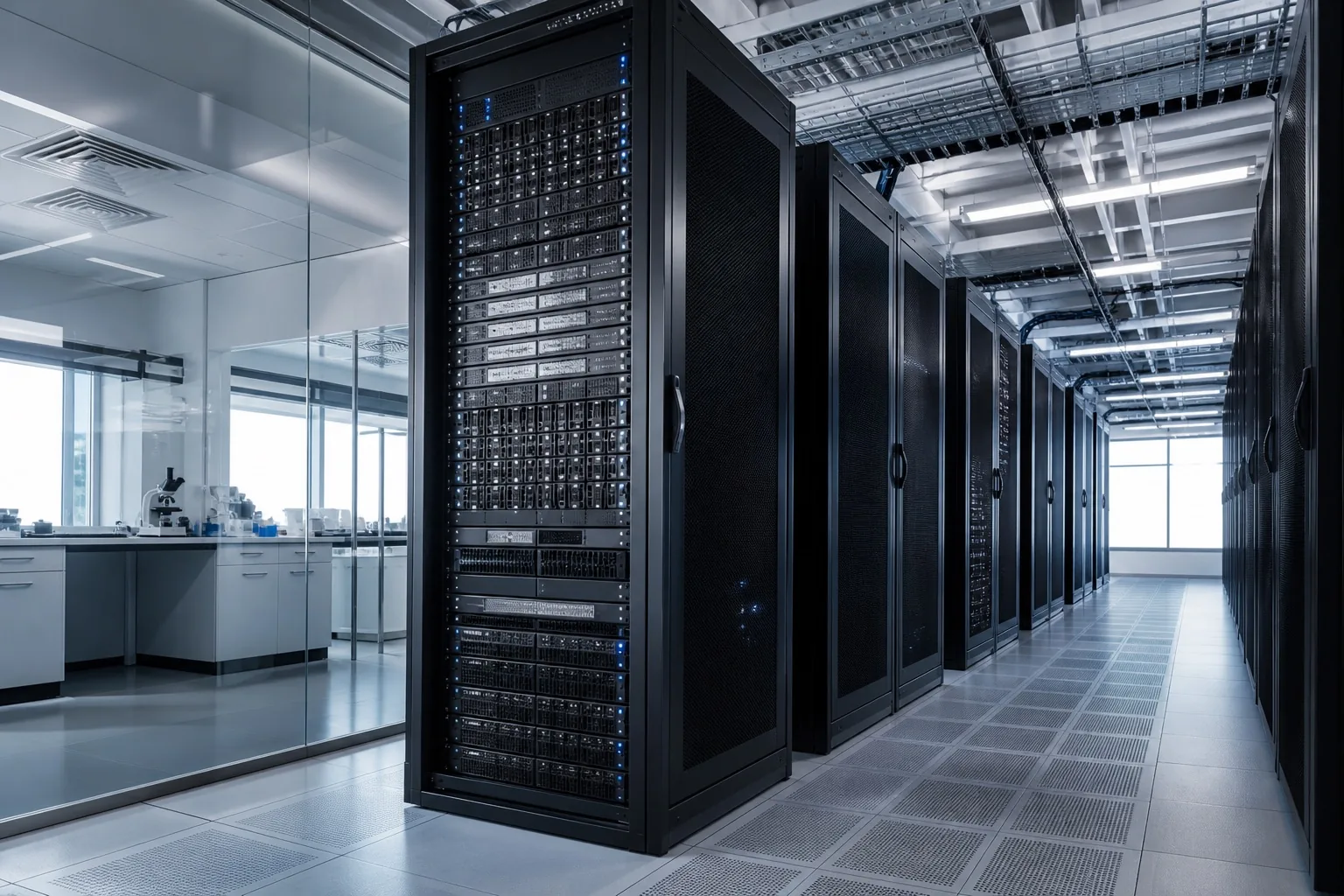
HPC & Scientific Research Computing
Plan storage for parallel computing and research data flows.
Separate metadata, scratch data, checkpoints and retained research data before selecting NVMe, memory and capacity tiers. Confirm cluster and file-system fit by RFQ.
The problem this solves
Research workloads combine many small files, concurrent access, checkpoints and large result sets, so the storage plan must reflect the real file and access pattern.
Recommended components
Review specifications, compatibility and availability on the product detail page and in the RFQ response.
View product →Review specifications, compatibility and availability on the product detail page and in the RFQ response.
View product →Review specifications, compatibility and availability on the product detail page and in the RFQ response.
View product →A workload-led architecture
- Profile compute clients, file sizes, concurrency and checkpoint behaviour.
- Place metadata and active scratch work on a suitable NVMe family.
- Connect the active tier to retained capacity with a defined movement and recovery path.
A configuration to start from
What the RFQ can define
- Workload and file-pattern review
- Active, metadata and retained-capacity shortlist
- Pilot questions, written BOM and delivery confirmation
Target customers
The architecture separates active and retained research data. Any performance result requires validation with the customer's cluster, file system and workload.
Tell us your models, capacities and volume
Our team replies within one business day with availability and tiered pricing. Reach us by email, phone or WhatsApp.
Get a Quote